I’ll be honest… there was a point where I genuinely felt like I was cleaning all the time and somehow my house still looked messy.
Not dirty. Not neglected. Just… visually overwhelming.
I would wipe the counters, vacuum the floors, fluff the pillows, and still walk into the room thinking:
Why does this place still feel chaotic?
And the strange part is that the mess usually wasn’t even big.
It was tiny things.
A charger left on the sofa. Mail stacked on the counter. A blanket draped over a chair for three straight days. A half-empty water bottle somehow traveling from room to room. Laundry quietly building its own personality on “the chair.”
The house technically looked fine.
But it never felt calm.
That’s when I realized something important:
A home usually doesn’t feel messy because it needs more cleaning.
It feels messy because it needs better resets.
Once I stopped treating cleaning like one giant exhausting event and started building tiny systems into my week instead, everything changed.
The house became:
- easier to maintain
- easier to enjoy
- and honestly… easier to breathe in
And maybe most importantly?
I stopped feeling constantly behind.
If your home feels messy even after cleaning, you probably do not need a more aggressive cleaning schedule.
You probably need less visual noise. Less pressure. And a system that actually works in real life.
The Real Problem Isn’t Dirt — It’s Visual Noise
One of the biggest mindset shifts for me was realizing that most homes do not actually feel stressful because they are dirty.
They feel stressful because there is too much visual interruption.
Your brain walks into a room and immediately starts processing:
- piles
- unfinished tasks
- random objects
- crowded surfaces
- things waiting to be dealt with
Even small items create mental clutter when they start layering together.
And honestly? Traditional cleaning advice often makes this worse.
Most cleaning schedules feel:
- too rigid
- too intense
- too perfection-focused
- or completely unrealistic for normal life
That is why so many people fall off after a week.
Because the goal becomes: “keep everything perfect.”
Instead of: “make the home easier to reset.”
Those are two completely different things.
A Room Can Be Clean and Still Feel Messy
This was the part nobody explained to me for years.
A room does not need actual dirt to feel overwhelming.
Sometimes all it takes is:
- too many visible objects
- cluttered surfaces
- visual imbalance
- or unfinished little tasks everywhere
Which is why you can clean an entire room and still feel unsettled afterward.
The house is clean. But your brain still feels busy inside it.
And honestly? That feeling is exhausting.
Try the Photo Test 📸
One thing that helped me notice visual clutter instantly was something surprisingly simple.
Stand in the doorway of your room and take a photo.
That’s it.
Then look at the photo like you are seeing someone else’s home for the first time.
You will immediately notice the things your eyes stopped seeing in daily life.
Usually it is:
- the charging cable on the sofa
- the pile of mail on the table
- the hoodie hanging on the chair
- the random clutter collecting near the entryway
And honestly?
The “messiest” thing in the room is often not what you expected.
Here’s the trick:
Ask yourself: What is the very first thing my eyes land on?
If the answer is:
- visible cords
- random paper piles
- clothing left out
- cluttered counters
- packaging
- visual overload
…you probably just found the thing making the room feel stressful.
And the best part?
You do not need to clean the whole room first.
You only need to reduce the biggest visual interruption.
That single change often makes the room feel dramatically calmer.
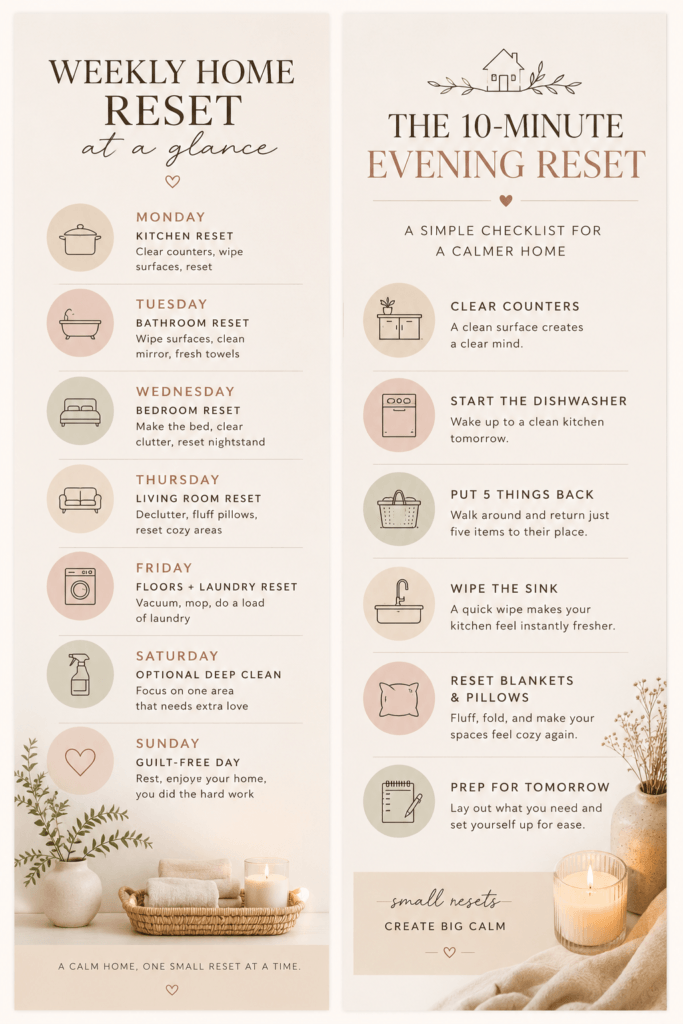
The Weekly Reset System at a Glance
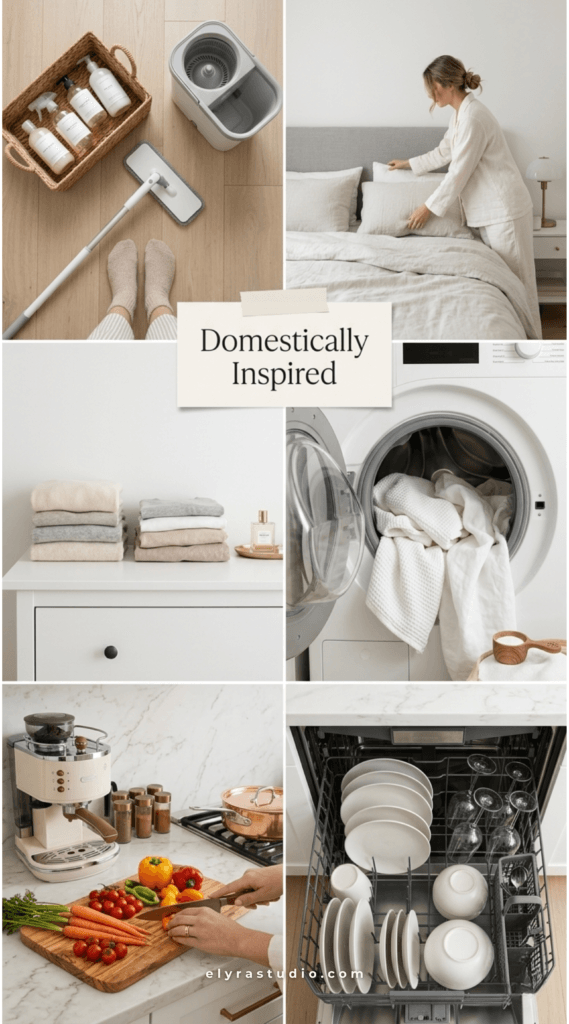
| Day | Focus Area | Main Goal |
|---|---|---|
| Monday | Kitchen Reset | Calm counters & easier mornings |
| Tuesday | Bathroom Reset | Fresh, visually lighter space |
| Wednesday | Bedroom Reset | Less emotional clutter |
| Thursday | Living Room Reset | Reduce visual noise |
| Friday | Floors & Final Reset | Make the home feel refreshed |
| Weekend | Guilt-Free Maintenance | Rest without pressure |
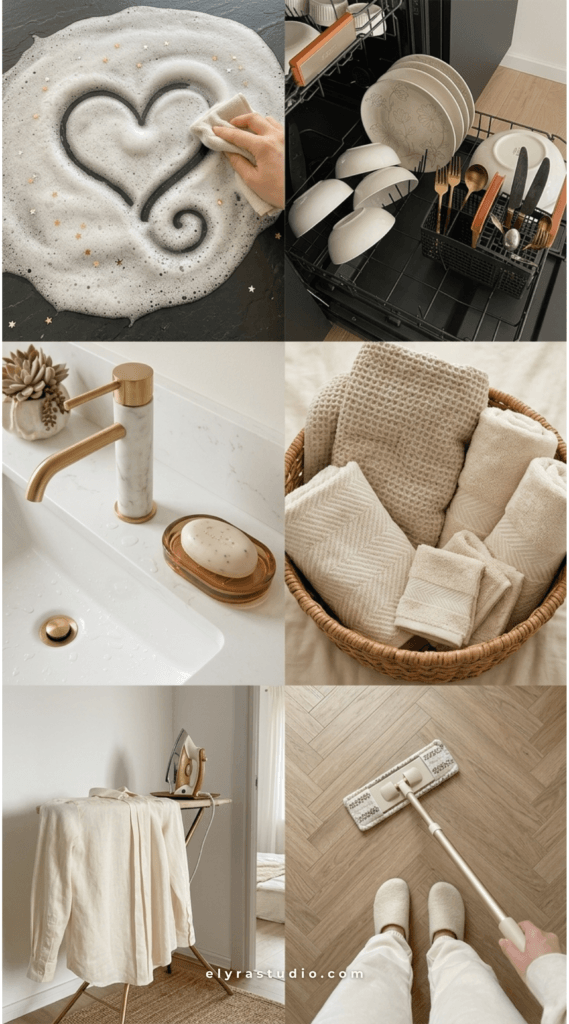
The Weekly Reset Method
The biggest shift for me was separating cleaning into soft focus areas instead of trying to clean the entire house at once.
Because honestly?
“Clean the whole house” is not a task. It is a psychological attack.
But:
- wipe bathroom counters
- vacuum the hallway
- reset the kitchen
- clear the coffee table
Those feel manageable.
The weekly reset method works because every day has one gentle purpose instead of one overwhelming expectation.
And surprisingly, that tiny shift changes everything.
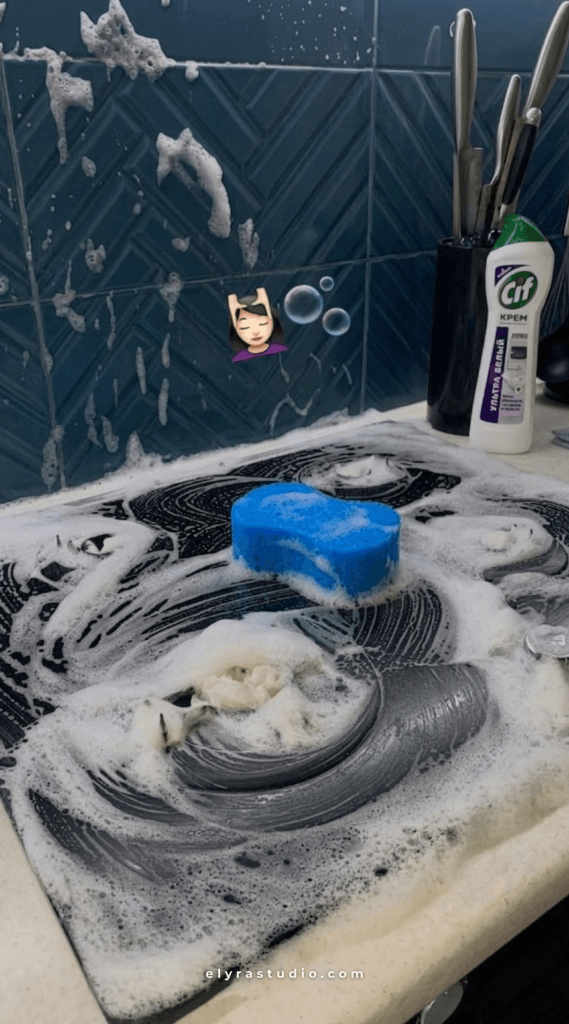
Monday: Kitchen Reset
The kitchen affects the emotional energy of a home more than almost any other room.
A messy kitchen instantly makes life feel harder.
Even if the rest of the house is relatively clean.
I used to think kitchens needed constant deep cleaning, but now I focus more on recovery than perfection.
The goal is simple: make the kitchen easy to reset.
A Monday kitchen reset might include:
- wiping cabinet fronts
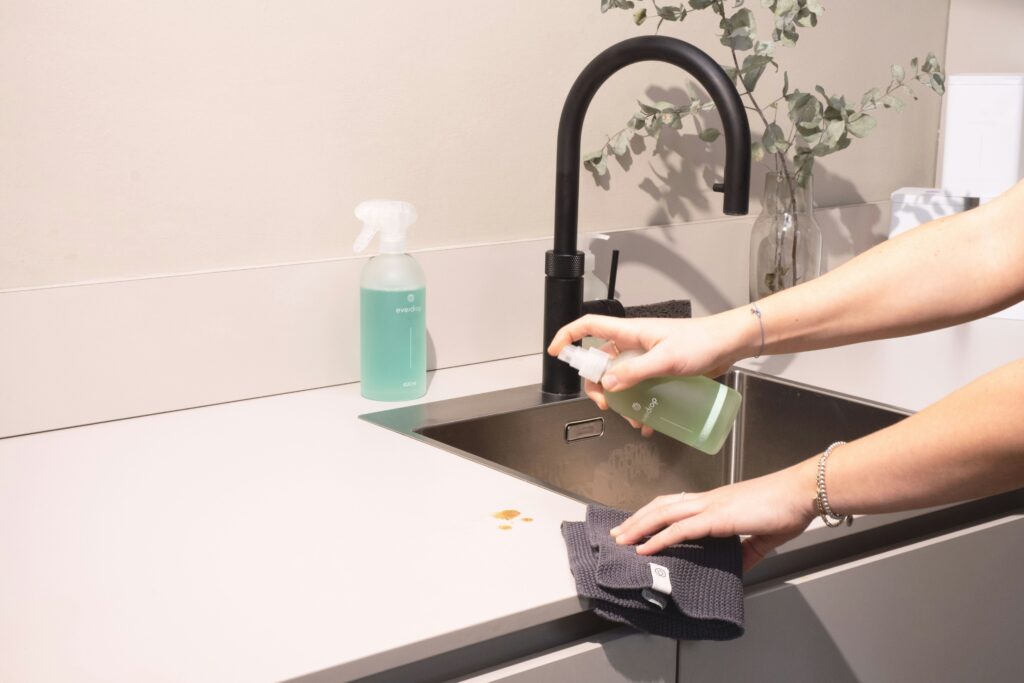
- disinfecting the sink
- cleaning the microwave
- tossing expired leftovers
- resetting countertops
- putting away visual clutter
And honestly?
The biggest difference usually comes from clear counters.
Not expensive organization. Not Pinterest-perfect styling.
Just calmer surfaces.
A kitchen instantly feels cleaner when fewer things compete for attention.
The Tiny Habit That Quietly Changes Everything
One habit made a bigger difference in my home than almost anything else:
Closing the kitchen every night.
Not deep cleaning. Not scrubbing floors at midnight.
Just resetting it enough so the morning feels lighter.
That means:
- dishwasher running
- counters wiped
- random cups removed
- trash handled
- sink relatively clear
Waking up to a calm kitchen genuinely changes the mood of the entire day.
And once you experience that feeling a few times, you start protecting it.
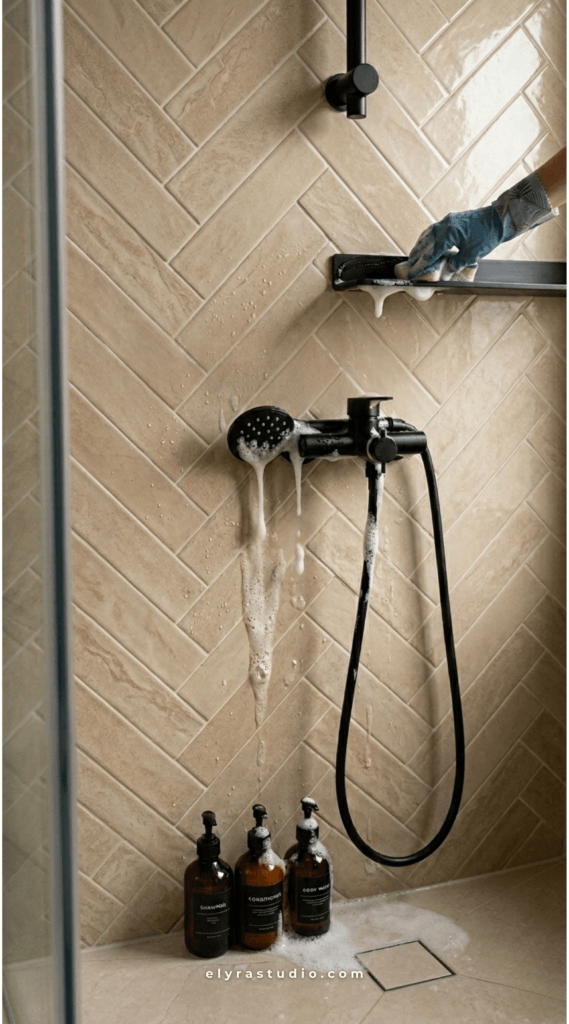
Tuesday: Bathroom Reset
Bathrooms become visually chaotic surprisingly fast.
Especially small bathrooms.
A few extra bottles, damp towels, cluttered counters, and suddenly the whole room feels stressful.
I stopped trying to make bathrooms perfect and instead focused on making them feel:
- fresh
- simple
- visually calm
A bathroom reset usually includes:
- wiping the mirror
- cleaning the sink
- replacing towels
- quick toilet clean
- removing empty products
- rinsing the shower
And honestly? Removing half-empty bottles instantly makes the bathroom feel more elevated.
Sometimes a room does not need more decor.
It just needs less visual competition.
Your Home Probably Does Not Need More Cleaning Products
This might sound dramatic, but I genuinely think most people do not need more cleaning products.
They need fewer decisions.
One of the biggest reasons cleaning feels mentally exhausting is because every task feels complicated.
Different sprays. Different systems. Different routines. Different tools.
It creates friction before you even begin.
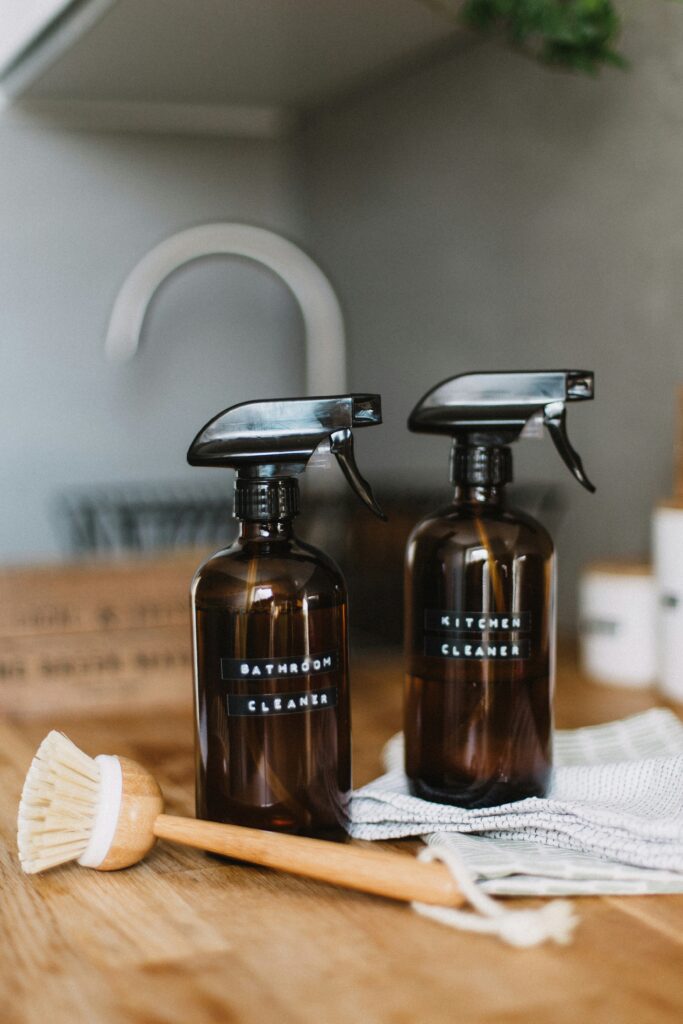
Now I mostly stick to:
- an all-purpose cleaner
- microfiber cloths
- dish soap
- one disinfecting spray
- one floor cleaner
- one scrub brush
That is basically it.
And honestly? Cleaning feels easier because starting feels easier.
The less resistance there is to beginning, the more consistent you naturally become.
Wednesday: Bedroom Reset
Bedrooms collect emotional clutter quietly.
You do not always notice it happening.
Laundry lands on chairs. Nightstands become storage zones. Random items slowly migrate into corners.
And after a while the room stops feeling restful.
I used to think bedroom cleaning had to be complicated, but now I focus mostly on visual calm.
That means:
- changing sheets
- clearing surfaces
- vacuuming
- removing floor clutter
- resetting the nightstand
One thing I noticed is that bedrooms instantly feel more peaceful when there is less visible “unfinished business.”
Fewer piles. Fewer random objects. Fewer tiny distractions.
Sometimes the room does not need more styling.
It just needs less pressure.
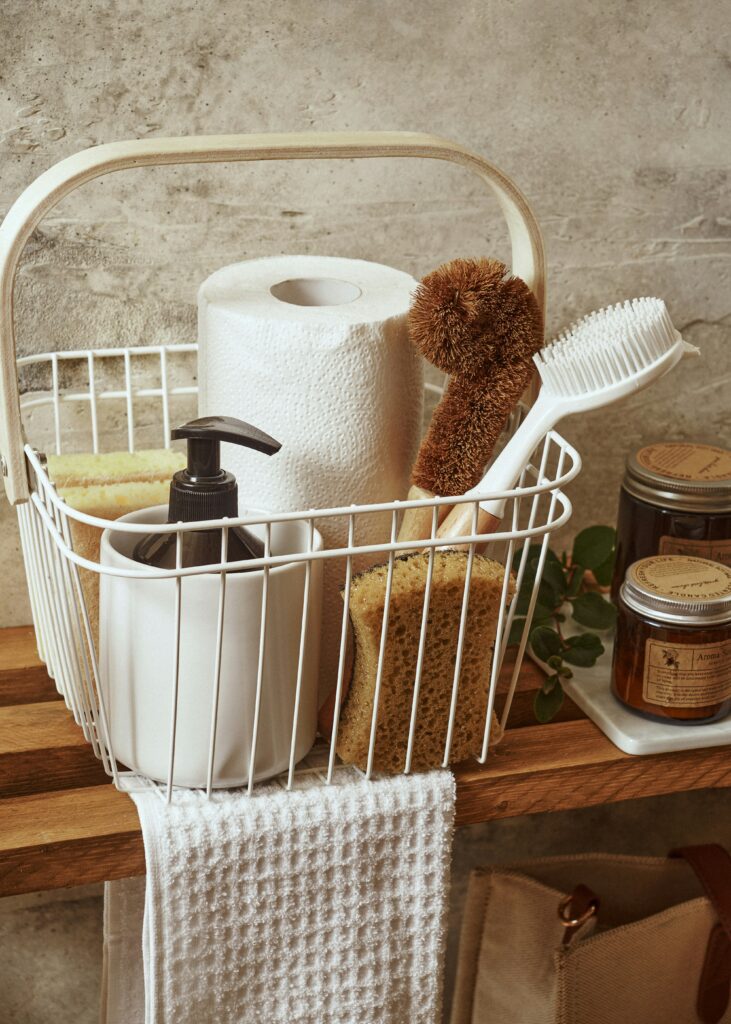
The Catch-All Basket Trick 🧺
I resisted this idea for a long time because I thought it sounded lazy.
But honestly? It works beautifully.
One of the biggest reasons clutter spreads is because some objects do not have a clear home yet.
So instead of putting them away… we leave them everywhere.
That is how visual clutter quietly multiplies.
Now I keep one simple catch-all basket in the living room area.
If something does not immediately have a place:
- chargers
- receipts
- random beauty products
- loose papers
- small daily clutter
…it goes into the basket temporarily instead of spreading across the house.
Then once a week I empty it properly.
This tiny system dramatically reduces visual chaos without requiring perfection every second of the day.
And weirdly? The entire house instantly feels calmer.
One important rule:
The basket is not a trash can.
It is for misplaced items — not garbage.
No food wrappers. No tissues. No random trash.
Otherwise the basket quietly turns into another clutter pile instead of solving one.
Thursday: Living Room Reset
The living room is where visual clutter becomes most noticeable because it is the space we see the most.
And honestly?
A room can be technically clean and still feel messy.
Usually because:
- too many tiny objects are visible
- blankets pile up
- surfaces become crowded
- cords stay exposed
- decor starts competing with itself
One of the easiest ways to make a living room feel cleaner is reducing visual interruption.
Not removing personality.
Just reducing noise.
A Thursday reset might include:
- folding blankets
- clearing coffee tables
- vacuuming
- straightening pillows
- removing random items from side tables
- putting things back where they belong
And weirdly, the room often feels more expensive afterward even though nothing new was added.
That is the power of visual calm.
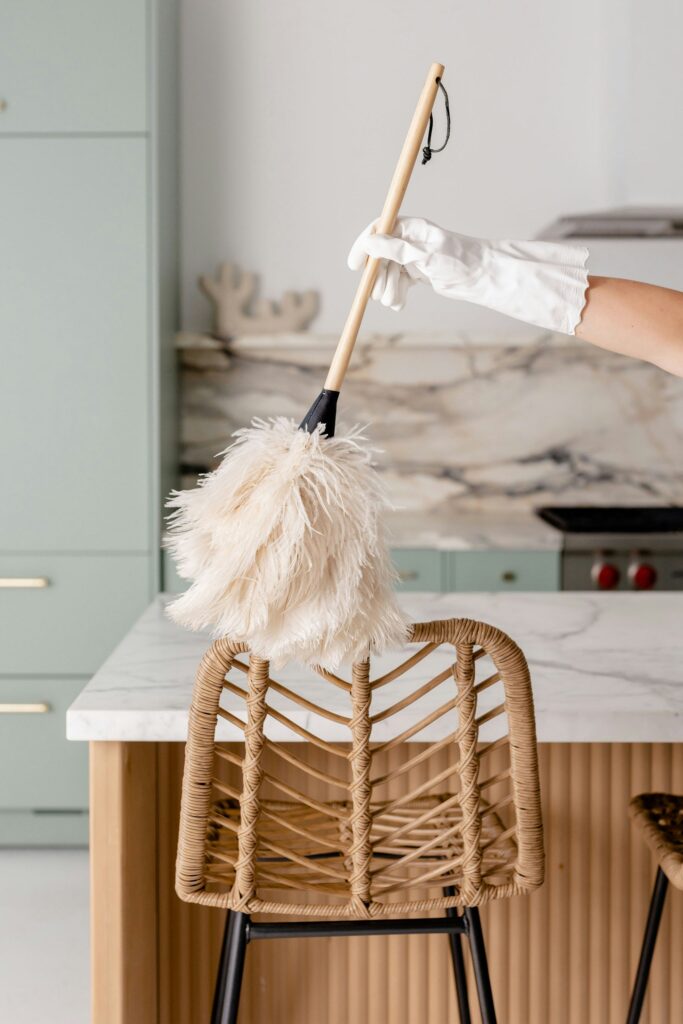
The 5 Things That Instantly Make a Home Feel Messier
Sometimes it is not the amount of clutter.
It is the type of clutter.
These five things create visual stress surprisingly fast:
- visible cords
- piles of mail or packaging
- laundry on chairs
- overcrowded countertops
- too many tiny decor items competing together
And honestly?
Removing just one or two of these things can completely change how a room feels.
Friday: The Floor Reset
Clean floors change the emotional energy of a home almost instantly.
Especially in high-traffic areas.
Even when everything else looks relatively tidy, dirty floors make the home feel unfinished.
Friday is usually my:
- vacuum
- hallway reset
- quick mop
- trash reset kind of day.
And honestly?
This reset makes the biggest emotional difference before the weekend.
There is something about freshly vacuumed floors that immediately makes life feel slightly more together.
Even if the laundry still exists. Even if the week was chaotic.
The home feels reset again.
The 10-Minute Evening Reset Checklist ✅
This is probably the most helpful habit in the entire system.
Not because it is dramatic.
But because it quietly prevents tomorrow from becoming overwhelming.
My usual evening reset:
- Dishwasher started
- Counters wiped
- Blankets folded
- Pillows reset
- Visible trash removed
- Five random items returned home
- Coffee table cleared
- Kitchen sink rinsed
- Shoes straightened near the entryway
- One quick room scan before bed
The entire thing usually takes about 10 minutes.
Sometimes less.
But the emotional difference the next morning is huge.
Why Deep Cleaning Usually Fails
I used to save everything for one giant cleaning day.
And every single time:
- I procrastinated it
- dreaded it
- got overwhelmed halfway through
- and burned out afterward
Because deep cleaning sounds productive in theory.
But in real life? It often becomes emotionally exhausting.
Especially when you are already mentally overloaded.
Now I rotate deeper tasks slowly instead.
Maybe:
- baseboards one week
- inside fridge another week
- bathroom drawers eventually
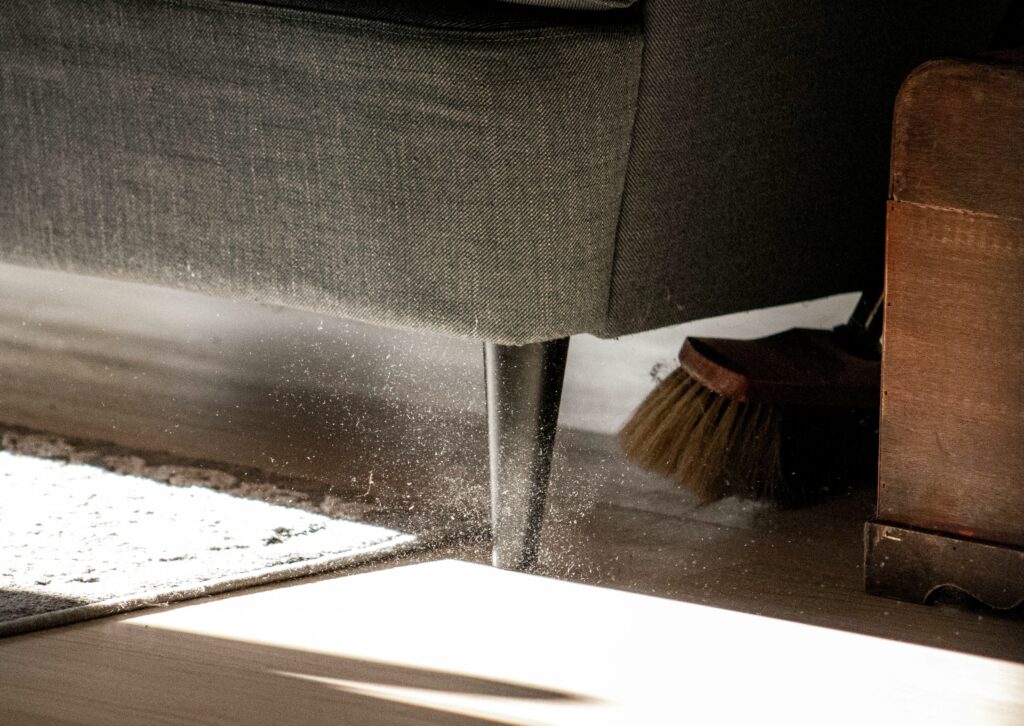
- under the sofa when I remember
No marathon. No pressure. No “perfect reset day.”
And honestly?
The home stays cleaner more consistently this way.
The Guilt-Free Cleaning Day ☁️
One of the healthiest things I added into my routine was a completely guilt-free day.
A day where I am not “supposed” to clean.
Not because the house is perfect.
But because constantly managing your home is mentally exhausting.
Sometimes the healthiest thing you can do is intentionally stop monitoring every surface for a while.
For me, this usually means:
- no deep cleaning
- no organizing projects
- no pressure to “catch up”
- no trying to make the house look perfect
And honestly?
This part matters more than people realize.
Because the rest day is not the failure of the system.
It is part of the system.
Without pauses, people burn out. And when burnout happens, routines collapse completely.
A sustainable home routine should support your energy — not consume all of it.
“Your home is supposed to support you — not make you feel constantly behind.”
The 15-Minute “Start Today” Reset ✨
If you are reading this while feeling overwhelmed, do not wait until Monday.
Do not wait for motivation either.
Just start tiny.
Here is your only goal:
Choose the smallest visible area that annoys you the most.
Maybe:
- the nightstand
- the coffee table
- the bathroom counter
- one kitchen surface
- the chair covered in laundry
Now reset only that space.
Not the whole room. Not the entire house.
Just one tiny visual reset.
Set a timer for 15 minutes if you want to make it feel easier.
And honestly?
Most of the time the hardest part is simply starting.
That first tiny success creates momentum surprisingly fast.
Because once one corner feels calmer, your brain starts wanting more of that feeling.
And that is usually how real home systems begin.
Not through perfection.
But through one small reset that makes life feel slightly lighter.
Final Thoughts
I think a lot of us secretly believe that if our home still feels messy, we simply are not trying hard enough.
But honestly?
Most people are already trying very hard.
They are just using systems that require too much energy to maintain long-term.
A calmer home usually does not come from cleaning more aggressively.
It comes from:
- smaller resets
- simpler systems
- less visual clutter
- fewer decisions
- softer expectations
And surprisingly, those tiny shifts often change the entire emotional feeling of a home.
Not perfect. Not magazine-styled.
Just calmer. Lighter. Easier to live in.
And honestly?
That is probably the version of “clean” most of us actually want anyway.
Small resets really do change how a home feels over time.
Not because everything becomes perfect — but because your space slowly starts supporting you instead of stressing you out.